Flags of All World Countries
- 4.4
- Rating
- 10.00M
- Installs
- Free
- Price
 Analysis by App-foxy
I enjoy trivia games that are easy to start but still give me a reason to return, and Flags of All World Countries fits that description well. It is a free Android trivia game from Andrey Solovyev, built around recognizing national flags rather than managing a complicated campaign, collecting equipment, or waiting for energy to refill. I can open it for a quick mental workout, play more deliberately when I want to improve, and use it as a simple way to turn spare minutes into useful learning.
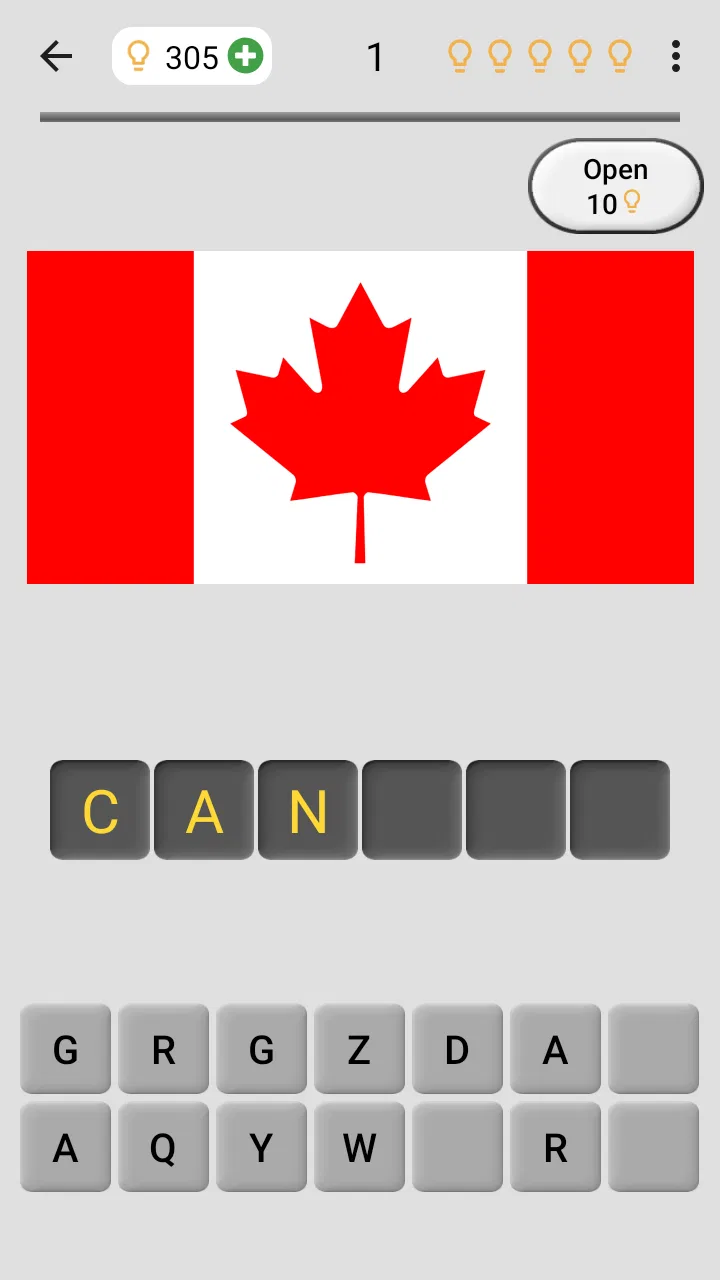
The idea is straightforward: look at a flag and identify the country. That simplicity is a strength, but it also means the quality of the experience depends heavily on how comfortable you are with visual details. Familiar flags make the early questions feel rewarding; similar designs quickly expose gaps in memory. I found that the game works best when I treat wrong answers as study prompts instead of merely chasing a perfect run.
It has earned a 4.5 average from around 83 thousand ratings and passed 10 million installs, which gives a useful sense of its broad appeal. The age rating is Everyone, so it can suit family learning, classroom-style practice, or a quiet solo session. Still, popularity does not make every session effortless. The most helpful part of using it is understanding where the friction comes from and how to respond when something feels wrong.
You May Also Like

 AccuWeather: Weather Radar
AccuWeather Review: A Quick, Clear Forecast for Everyday Decisions
For everyday plans, the best forecast is the one you can understand quickly. AccuWeather makes rain timing, radar, and local conditions easy to act on, with a few trade-offs.

 Hill Climb Racing
Why Hill Climb Racing Still Turns Crashes Into One More Run
A tiny car, a bumpy hill and one more upgrade: Hill Climb Racing keeps resurfacing because its simple chaos makes every near-miss feel personal.

 AliExpress - Shopping App
AliExpress Makes Global Shopping Feel Personal, but Shoppers Bear the Risk
AliExpress turns a global marketplace into a pocket-sized discovery engine. Its reach is useful, its shopping loop compelling, and its trade-offs easy to miss.

 Lords Mobile: Kingdom Wars
Lords Mobile Is a Kingdom-Building Routine, Not a Quick Match
A case-by-case verdict on the building, battles, device demands, and social commitments that make Lords Mobile rewarding for some players and exhausting for others.

 PDF Scanner app - TapScanner
TapScanner Makes Paperwork Easier to Capture, Check, and Share
TapScanner makes scanning with a phone feel less like a rescue operation and more like a dependable step in getting work done. Its capture tools are useful, though not flawless.

 Block Blast!
 Shows How Much a Puzzle Game Can Leave Out
A quiet grid game shows why puzzle players increasingly value instant clarity, repeatable skill and low-pressure play—and where the genre still needs to catch up.
More From Our News Desk
View All News


Getting started without unnecessary frustration
I focus first on the small choices that make the opening session feel smooth: check that your Android device runs version 6.0 or later, give yourself a clear view of the flag colors, and avoid rushing the first guesses. That simple start helps separate genuine unfamiliarity from a missed tap or poor screen visibility. From there, the next section looks at how to turn those early answers into lasting recognition.
Where new players usually get stuck
The first obstacle is not installation; it is expectation. Someone choosing a country-flags game may imagine a relaxed picture quiz, then discover that recognition depends on small differences in color arrangement, emblems, stripes, or symbols. A flag that looks obvious at a glance can become surprisingly difficult when several countries use related patterns. I recommend slowing down before tapping an answer, especially when two choices seem plausible.
Another common sticking point is trying to remember every miss immediately. That approach makes the game feel like a test rather than a learning tool. I get better results by noticing what kind of mistake I made. Did I confuse two flags with similar colors? Did I recognize the design but forget the country name? Did I know the country but hesitate because the spelling looked unfamiliar? Each type of error needs a different response.
The game is also less satisfying for people who want a large variety of trivia subjects in one place. This is a focused title, not a general knowledge app. Its narrow subject gives it a clear purpose, but it cannot replace a broader quiz game if you want questions about science, history, entertainment, or current events in the same session.
Simple setup checks before playing
On Android, the game requires version 6.0 or later. That is worth checking before troubleshooting anything else, particularly if you are installing it on an older phone or tablet. If the installation does not proceed, I would first confirm the device software, available storage, and whether the app store itself is functioning normally. These basic checks are more useful than repeatedly pressing the install button.
The current version is 3.9.0. If the game behaves differently from what you expect after an update, I would close it completely and reopen it before assuming the quiz itself is broken. A fresh launch often clears a temporary loading or display problem. If installation is stuck, restarting the device and retrying on a stable connection is a sensible next step.
Because the game is free, it is easy to try without committing money. There are in-app purchases ranging from $0.99 to $5.99 per item, so I would still check the purchase prompt carefully, especially when a child is using the device. The free entry makes it approachable, but “free” does not mean every optional purchase should be accepted automatically.
I also suggest beginning with a calm setup rather than launching it while several apps are competing for attention. Close anything that is visibly slowing the device, make sure the screen is bright enough to distinguish colors, and avoid judging the game from a single rushed round. Flag recognition depends on seeing details clearly, so display conditions can affect your performance more than you might expect.
A workflow that turns mistakes into progress
My most effective routine is to play in short groups of questions and pause after a difficult answer. Instead of immediately moving on, I mentally describe the flag: its dominant colors, layout, and any central mark. I then connect that description to the country name. This creates a stronger memory than simply reading the correct answer and tapping onward.
When I confuse two flags, I make the comparison explicit. For example, I ask myself which one has the emblem, which one changes the stripe order, or which one places a symbol nearer the center. The point is not to invent a complicated study system; it is to give the visual difference a verbal label. That small habit makes later recognition faster.
A useful everyday scenario is a bus ride or lunch break when I have only a few minutes. I can play a short session, note one or two flags that caused trouble, and then stop without feeling that I abandoned a long game. Later, I revisit those names mentally or use the next session to see whether the images feel more familiar. This makes the app more valuable than a disposable guessing game.
For families, I would turn the screen into a shared challenge rather than handing it over as silent homework. One person can identify the colors while another guesses the country, then both can explain why they chose that answer. This works particularly well with children who enjoy visual quizzes but lose interest in memorizing lists. The game provides the prompt; the conversation supplies the deeper learning.
For language learners, country names can also become a small vocabulary exercise. I would say the answer aloud, spell it slowly when necessary, and connect it with a place on a map. That does not transform the app into a full geography course, but it gives each flag a stronger context and reduces the chance that recognition remains purely visual.
Recovering when a session goes wrong
If an answer seems to register incorrectly, I would first check whether I tapped the intended choice and whether the screen responded normally. On a small display, a hurried tap can easily land on a neighboring option. Slowing down and holding the device comfortably can prevent a surprising number of perceived mistakes.
If images or text do not appear correctly, I would leave the session, close the app, and reopen it. If that does not help, restarting the device is a reasonable general recovery step. I would avoid repeatedly clearing or reinstalling the game unless simpler measures fail, because aggressive troubleshooting can create more inconvenience than the original problem.
When installation or updates fail, the cause may be the connection, the app store, device storage, or software compatibility rather than the game content. Checking those areas one at a time gives a clearer answer. I would also avoid starting an update while moving between unreliable networks; a stable connection makes the process easier to judge.
Purchase-related confusion deserves a separate approach. If an optional item appears, read the prompt before confirming and make sure the correct account and device user are active. If a transaction does not behave as expected, I would keep the receipt or confirmation details and use the relevant store support process rather than repeatedly attempting the purchase inside the game.
When the app is not the real cause
Flag colors can look wrong because of the phone display, a brightness setting, a screen filter, or difficult lighting. Before blaming the quiz, I would compare the image in a brighter environment and check whether other apps also show unusual colors. This matters more here than in a text-only trivia game because a small color shift can change the apparent answer.
Performance complaints can also come from the device. If the phone is warm, low on storage, or running many demanding apps, closing background activity may help. A slow response in several apps points toward the device or operating system; a problem limited to one screen deserves closer attention to the game itself.
There is another nontechnical cause: fatigue. I often perform worse when I try to force recognition after a long run of similar flags. The sensible fix is a break, not endless guessing. Since the game is designed around visual recall, tiredness can make every option look equally convincing.
Players should also distinguish difficulty from malfunction. A wrong answer involving two similar flags is not evidence that the question is unfair. If the image is visible and the choices are selectable, the challenge may simply be exposing a knowledge gap. That is where this title is useful: it shows exactly which parts of world geography I have not yet learned well.
How it compares with broader quiz alternatives
Compared with a general trivia app, this game is much more focused. A broad quiz offers more subject variety and can stay fresh for someone who wants constant changes of topic. Flags of All World Countries is better when the goal is specific: improve visual recognition of national flags, test geography knowledge, or give a child a manageable learning activity.
Compared with flashcards, it feels more like a game and demands quicker recall. Flashcards are often better for deliberate repetition because I can control the order and spend longer on one item. This title is better for testing whether recognition survives under light pressure. I would use both approaches if learning mattered: study difficult flags separately, then use the game to check spontaneous recall.
Compared with a map-based geography game, the emphasis here is visual identity rather than location, borders, capitals, or physical geography. Someone preparing for a map quiz may need a different tool. Someone who repeatedly mistakes flags with similar layouts will find this narrower focus more relevant than a map exercise.
The absence of elaborate game systems is also a trade-off. Players who need story, character upgrades, multiplayer competition, or a constant stream of new mechanics may find the experience plain. I see that plainness as helpful for learning, but it limits long-term appeal for people who play mainly for entertainment.
Who should use it, and who should skip it
I would recommend it to students, travelers, geography enthusiasts, parents looking for a simple educational activity, and anyone who enjoys quizzes with a clear subject. It is especially suitable for people who prefer short sessions and want an app that can be understood immediately.
I would be more cautious recommending it to someone who dislikes visual memorization or expects every question to teach a detailed fact about the country. The central task is recognition. If your interest is culture, history, capitals, or current affairs, this game may feel too limited unless you use it alongside another resource.
It is also not my first choice for a player who wants a completely purchase-free environment. The game can be played for free, but optional items are available, so families should use the device’s normal purchase controls and agree on expectations in advance. That is a small practical point, but it prevents an otherwise pleasant learning session from becoming an account problem.
My practical verdict
After spending time with it, I see this as a focused study game rather than a full geography companion. Its best quality is clarity: I know what skill I am practicing, and each difficult flag gives me a concrete target for improvement. The format is approachable enough for casual players while still exposing the difference between recognizing a familiar design and actually knowing the country behind it.
Its limitations are equally clear. The subject is narrow, repeated visual challenges can become tiring, and players seeking rich progression or many trivia categories should choose a broader alternative. It also rewards patience more than frantic tapping, so people who want instant entertainment may not appreciate its learning-oriented rhythm.
For me, the strongest way to use it is in short, regular sessions: play until a few flags become uncertain, identify why they caused trouble, and return later. Keep the screen clear, check Android compatibility before installation, and treat technical problems separately from difficult questions. With that approach, the game becomes a practical pocket exercise instead of just another quiz to finish and forget.
My recommendation: try it if you want a free, approachable way to build flag recognition and basic country awareness. I would not choose it as my only geography app, but I would gladly keep it available for quick practice, family challenges, or those spare moments when I want something more useful than scrolling. For that specific purpose, Flags of All World Countries does its job with very little setup and a pleasantly direct learning curve.
FAQs for Flags of All World Countries
01What is the main purpose of the Flags of All World Countries app?
The Flags of All World Countries app serves as an educational tool designed to help users learn about the flags of different nations worldwide. It provides detailed information and images, making it ideal for students, travelers, and geography enthusiasts who want to expand their knowledge about global symbols.
02Does the app offer any interactive features?
Yes, the app includes interactive features such as quizzes and flashcards to help users test their knowledge. These engaging tools enhance the learning experience by allowing users to challenge themselves and track their progress in recognizing and memorizing the flags of various countries.
03Is the content in the app regularly updated?
Absolutely, the app is regularly updated to ensure that it reflects the most current information about world flags. This includes any changes due to geopolitical shifts, such as new countries being recognized or changes in existing national flags, ensuring users always have access to the latest data.
04Can the app be used offline?
Yes, the Flags of All World Countries app provides an offline mode, allowing users to access content without an internet connection. This feature is particularly beneficial for travelers or individuals with limited internet access, ensuring they can continue learning anytime, anywhere.
05Are there any ads or in-app purchases in the app?
The app may contain ads to support its free version, but offers an ad-free experience through a one-time purchase. Additionally, there might be optional in-app purchases for enhanced features or additional content, giving users the flexibility to customize their learning experience according to their preferences.
Pros
- Comprehensive flag database
- User-friendly interface
- Offline access available
- Educational quizzes included
- Regular updates with new info
Cons
- Ads can be intrusive
- Limited interactive features
- No flag customization options
- Occasional app crashes
- Requires frequent permissions

Flags of All World Countries
Gallery